
Απόδοση στα ελληνικά, εδώ: https://gatouiti-blog.blogspot.com/2024/01/blog-post_7.html
 "I am as a dolphin born into a concrete pool; who has never known anything better yet yearns for the open sea; Perhaps a seabird's feather once landed in my pool; and instinct knew the odour of the place where I should be"...
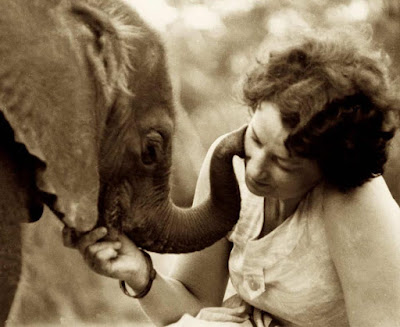
Χάρη στην επίπονη και επίμονη εργασία και προσφορά της, τουλάχιστον 263 ορφανά ελεφαντάκια κατάφεραν, όχι μόνον να επιβιώσουν αλλά να επανενταχθούν στο φυσικό τους περιβάλλον και να δημιουργήσουν τις δικές τους οικογένειες. Εκτός από τους ελέφαντες, η Daphne Sheldrick "ανάστησε" με επιτυχία ορφανά ρινοκεράκια, τα οποία μπόρεσαν να δώσουν απογόνους, διαδραματίζοντας καθοριστικό ρόλο στην αναβίωση του πληθυσμού των μαύρων ρινόκερων της Κένυας, που είχαν αποδεκατιστεί από την λαθροθηρία. Επίσης, κατάφερε να μεγαλώσει 16 ορφανά βουβάλια, τα οποία επανεντάχθηκαν με επιτυχία και αποτέλεσαν τον πυρήνα του πληθυσμού που έχει σήμερα εδραιωθεί στο Εθνικό Πάρκο του Ναϊρόμπι.
Επί 60 χρόνια, αυτή η γυναίκα υπερασπίστηκε με πάθος το δικαίωμα των άγριων ζώων στην ύπαρξη, εμπνέοντας τις επόμενες γενιές να ακολουθήσουν τα βήματά της στο μέλλον. Σήμερα, Παγκόσμια Ημέρα της Γυναίκας, μπορούμε να δούμε την κληρονομιά που άφησε η Daphne Sheldrick, ιδρύοντας την οργάνωση "Sheldrick Wildlife Trust", όπου το όραμά της παραμένει ζωντανό και αποδίδει καρπούς.
Και ίσως δεν είναι τυχαίο ότι το σπουδαιότερο καταφύγιο αποκατάστασης για ορφανά ελεφαντάκια που υπάρχει στον κόσμο ιδρύθηκε στην Κένυα, το 1977, από μια γυναίκα, και σήμερα διευθύνεται από την κόρη της, Angela Sheldrick. Είναι γνωστό ότι, στο πέρασμά τους πάνω στη γη, οι ελέφαντες απολαμβάνουν τα πλεονεκτήματα της μητριαρχικής κοινωνίας, όπου τα αρσενικά ζουν μοναχικά ενώ τα θηλυκά προστατεύουν και μεγαλώνουν τα μικρά τους, μέσα στα πλαίσια μιας ευρύτερης οικογένειας που συγκροτεί την κάθε αγέλη.
Διαβάστε περισσότερα εδώ: https://www.sheldrickwildlifetrust.org/about/mission-history και εδώ: https://bit.ly/3649jdO
Πηγή: Μια περσινή ανάρτηση που σήμερα μου θύμισε το facebook [κοινοποιήθηκε εδώ και εδώ]
Photo: A tribute to Dame Daphne Sheldrick, Elephant Mother at williamsontea -- google
A PERSONAL TRIBUTE BY VIRGINIA MCKENNA: https://www.bornfree.org.uk/news/daphne-sheldrick
https://twitter.com/KPrimikiri/status/1501182663130075141
"I am as a dolphin born into a concrete pool; who has never known anything better yet yearns for the open sea; Perhaps a seabird's feather once landed in my pool; and instinct knew the odour of the place where I should be"...
Τι σημαίνει η αναγνώριση των ζώων ως "μη ανθρώπινα πρόσωπα" από φιλοσοφική και νομική άποψη; Ποιες προκαταλήψεις του ανθρώπινου μυαλού και ποιες ψυχολογικές άμυνες εμποδίζουν την αποδοχή μιας τέτοιας θεώρησης; Μπορεί, αξίζει και πρέπει να έχουν τα ζώα δικαιώματα πέραν της καλής μεταχείρισης από τους ανθρώπους; Πώς η έννοια της "προσωπικότητας" των μη ανθρωπίνων ζώων καθορίζει τον τρόπο με τον οποίον τα αντιμετωπίζουμε; Το θέμα παρουσιάζει η γνωστή για τις έρευνές της πάνω στην εξέλιξη του εγκεφάλου και της νοημοσύνης των κητωδών, των πρωτευόντων, των ελεφάντων αλλά και των "παραγωγικών" ζώων, νευροεπιστήμων Lori Marino, σε εκδήλωση που διοργανώθηκε από το Institute of Animal Law of Asia με την υποστήριξη του Center for Animal Law Studies, Lewis & Clark Law School.
Nonhuman Personhood: Scientific Evidence v Cognitive Biases
In this presentation, Dr. Lori Marino discussed the concept of nonhuman personhood from a philosophical and legal perspective focusing on the extensive scientific evidence that shows many animals meet the definition of personhood used in the law to protect human beings. She also discussed the ways human cognitive biases προκαταλήψεις και ψυχολογικές άμυνες που εμποδίζουν την αποδοχή and psychological defense mechanisms prevent nonhuman personhood from being accepted both legally and philosophically and why this concept is important for recognizing the independent rights of other animals beyond welfare. Dr. Lori Marino is a neuroscientist formerly on the faculty of Emory University known for her work on the evolution of the brain and intelligence in dolphins and whales, as well as primates, elephants, and farmed animals. She is also involved in various projects at the intersection of science and animal law and has worked closely with the Nonhuman Rights Project. This event was organized by the Institute of Animal Law of Asia, under the project "Enhancing Legal Regulations for Aquatic Animals in Kazakhstan." The event was supported and sponsored by the Center for Animal Law Studies, Lewis & Clark Law School.
"I am as a dolphin born into a concrete pool; who has never known anything better yet yearns for the open sea; Perhaps a seabird's feather once landed in my pool; and instinct knew the odour of the place where I should be"...
Απόδοση στα Ελληνικά του άρθρου της Lori Marino "Emphasizing Animal Well-Being and Choice: Why Zoos and Aquariums Should Become Sanctuaries" στην ιστοσελίδα Center For Humans & Nature (2016)

Εισαγωγή
Στην σύγχρονη εποχή, ζωολογικός κήπος είναι ένας περιφραγμένος χώρος που εκθέτει μια μικρή ή μεγάλη συλλογή από άγρια ζώα. Τέτοιου είδους συλλογές ζώων υπήρχαν και σε προγενέστερους χρόνους, δεν εξυπηρετούσαν όμως αυτό που σήμερα εννοούμε με τον όρο "διασκέδαση" ή "εκπαίδευση", αλλά την επίδειξη της δύναμης και της κυριαρχίας των ηγεμόνων πάνω στις αποικίες, με ό,τι αυτές περιελάμβαναν, ανθρώπους και ζώα*. -ΚΠ
Ακολουθεί η απόδοση του άρθρου στα Ελληνικά.
Κατά τις δεκαετίες του '60 και του '70, οι ζωολογικοί κήποι και τα ενυδρεία, προσπαθώντας να ανταποκριθούν στις απαιτήσεις της εποχής, επιχείρησαν να προβληθούν ως κέντρα προστασίας των ζώων που φιλοξενούν. Δεν το κατάφεραν όμως. Η μετονομασία ενός κλουβιού ή μια δεξαμενής σε "ενδιαίτημα", δεν μπόρεσε να πείσει - ούτε βεβαίως και η διακόσμηση του χώρου διατήρησης των πολικών αρκούδων με εικόνες από την Αρκτική. Αυτές οι προσπάθειες συνεχίζονται μέχρι και σήμερα, αν και ο στολισμός των κλουβιών με ψεύτικα σκηνικά δεν έχει και τόσο μεγάλη σχέση με την επιστήμη. Τα τελευταία χρόνια, οι ζωολογικοί κήποι και τα ενυδρεία που κάποτε αντιμετωπίστηκαν ως κέντρα εκπαίδευσης του κοινού και διατήρησης των ειδών, πλήττονται από μια θύελλα αντιδράσεων της κοινής γνώμης και αντιμετωπίζουν μια σειρά από ερωτήματα, στα οποία όλο και περισσότερο δυσκολεύονται να δώσουν ικανοποιητικές απαντήσεις.
Η αλήθεια είναι πως, παρ' όλες τις προσπάθειες, μέχρι και σήμερα, η ευζωία των άγριων ζώων στους ζωολογικούς κήπους και τα ενυδρεία παραμένει σε πολύ χαμηλά επίπεδα, ενώ η συμβολή αυτών των εγκαταστάσεων στην διατήρηση των ειδών είναι ελάχιστη, και η εκπαιδευτική τους αξία μηδαμινή. Για κάποια συγκεκριμένα είδη μάλιστα, τα επιστημονικά δεδομένα είναι αδιαπραγμάτευτα. Υπάρχουν είδη ζώων, όπως τα δελφίνια και τα άλλα κητώδη, οι αρκούδες, οι ελέφαντες, τα πρωτεύοντα, τα μεγάλα αιλουροειδή και ορισμένα είδη ψαριών, για τα οποία οι ζωολογικοί κήποι και τα ενυδρεία αδυνατούν να εξασφαλίσουν ένα στοιχειώδες επίπεδο ευζωίας. Κι' αυτό είναι πλέον αναμφισβήτητο, δεν πρόκειται για κάτι υποκειμενικό, δεν πρόκειται για την άλφα ή βήτα γνώμη που μπορεί να έχει ο καθένας, αλλά για διαπίστωση πλήρως τεκμηριωμένη επιστημονικά.
Από την άλλη πλευρά, έχει αποδειχθεί ότι η συμβολή των περισσότερων ζωολογικών κήπων στην διατήρηση των ειδών είναι πάρα πολύ περιορισμένη. Τα αποτελέσματα μετρήσεων δείχνουν πως, εκτός από μεμονωμένες περιπτώσεις, όπως για παράδειγμα την επανένταξη του Κόνδορα της Καλιφόρνιας (California condor), οι πληθυσμοί των άγριων ζώων που απειλούνται με εξαφάνιση δεν εμπλουτίζονται με άτομα που έχουν γεννηθεί και ανατραφεί σε ζωολογικούς κήπους. Το πιο φανερό παράδειγμα είναι οι ελέφαντες. Κανένας από τους ελέφαντες που εδώ και πολλές δεκαετίες αναπαράγονται στην αιχμαλωσία δεν έχει ποτέ απελευθερωθεί για να ενταχθεί στους άγριους πληθυσμούς του είδους του που ζουν στην Αφρική ή στην Ασία. Στην πραγματικότητα μάλιστα συμβαίνει ακριβώς το αντίθετο, δηλαδή οι ζωολογικοί κήποι εισάγουν κάθε τόσο άγριους ελέφαντες. Για τους ελέφαντες, όπως και για άλλα άγρια είδη, η εισαγωγή στον κόσμο των ζωολογικών κήπων και τους θεάματος είναι ένας μονόδρομος χωρίς επιστροφή. Κάτι ανάλογο συμβαίνει και με τα Κινέζικα πάντα, που αναπαράγονται στους ζωολογικούς κήπους κατά εκατοντάδες, ελάχιστα όμως από αυτά επιστρέφουν στον τόπο καταγωγής τους, ενώ από όσα επέστρεψαν μόνον τρία έχουν επιβιώσει.
Τέλος, οι επιχειρήσεις των ζωολογικών κήπων και ενυδρείων ισχυρίζονται ότι η οπτική επαφή του κοινού με τα ζώα που βρίσκονται στους χώρους τους προάγει το ενδιαφέρον για την προστασία των άγριων πληθυσμών που βρίσκονται στην φύση. Και αυτός ο ισχυρισμός όμως δεν ευσταθεί, γιατί στην πράξη αποδεικνύεται εντελώς το αντίθετο. Πάνε πολλές δεκαετίες από τότε που βλέπουμε ελέφαντες στους ζωολογικούς κήπους, όμως οι ελέφαντες βρίσκονται σήμερα στο χείλος της εξαφάνισης. Στην σημερινή εποχή, εκατοντάδες εκατομμύρια ανθρώπων επισκέπτονται τους ζωολογικούς κήπους και τα ενυδρεία, όμως διανύουμε μια εποχή μαζικής εξαφάνισης των ειδών**.
Κάτω από αυτές τις συνθήκες, και προκειμένου για το μείζον ζήτημα της φροντίδας των άγριων ζώων που έχουν ήδη αναγκαστεί να ζουν εξαρτημένα από τους ανθρώπους, η έννοια του "ζωολογικού κήπου" (zoo) έρχεται να δώσει τη θέση της σε μια καινούργια λέξη που αναδύεται στη σημερινή εποχή, τη λέξη "καταφύγιο" (sanctuary).
Εκείνο που διαφοροποιεί έναν ζωολογικό κήπο από ένα αυθεντικό*** καταφύγιο είναι κατ' αρχήν ένα πράγμα: οι προτεραιότητες. Για τους ζωολογικούς κήπους, προτεραιότητα είναι η ικανοποίηση των επισκεπτών, γιατί αυτή μεταφράζεται σε εισητήρια, αποφέρει έσοδα. Για τα καταφύγια, προτεραιότητα είναι η υγεία και η ευζωία των ζώων. Σε έναν ιδανικό κόσμο, το ανθρώπινο είδος θα σταματούσε να καταστρέφει και να εκμεταλλεύεται τις άλλες μορφές ζωής με τις οποίες μοιράζεται αυτόν τον πλανήτη. Ένα πρώτο βήμα προς αυτήν την κατεύθυνση θα ήταν η αλλαγή της νοοτροπίας που θα μπορούσε να επαναπροσδιορίσει τη σχέση των ανθρώπων με τα άλλα είδη ζώων. Επειδή όμως αυτό στην πραγματικότητα δεν πρόκειται να συμβεί, το πρώτο βήμα θα μπορούσε να γίνει κάπως διαφορετικά, αν δηλαδή αρχίζαμε να σκεφτόμαστε πώς θα μπορούσαμε να προσφέρουμε στα άλλα είδη μια σχετική "αποζημίωση", αποκατάσταση και επανόρθωση του κακού που τους έχουμε κάνει. Και αυτή η σκέψη μάς οδηγεί στην ιδέα των καταφυγίων.
Μια άλλη σημαντική διαφορά είναι η προσδοκία για το μέλλον. Οι ζωολογικοί κήποι και τα ενυδρεία είναι επιχειρήσεις που επιθυμούν να διατηρήσουν την δραστηριότητά τους για όσο το δυνατόν περισσότερο. Αν ρωτήσεις όμως τους διαχειριστές ενός αληθινού καταφυγίου, θα σου πουν ότι το όραμα και η προοπτική τους είναι εκείνη η μέρα που δεν θα υπάρχουν πλέον ζώα που πρέπει να διασωθούν από την κακοποίηση και την εκμετάλλευση. Τα καταφύγια λειτουργούν με την προσδοκία πως θα έρθει μια μέρα, σε ένα ιδανικό μέλλον, κατά την οποία ο λόγος της ύπαρξής τους δεν θα υφίσταται πλέον, κι' εκεί ακριβώς βασίζεται και η αξιοπιστία τους. Η πληροφόρηση και η εκπαίδευση που προσφέρει ένα καταφύγιο είναι αυθεντική, χωρίς ιδιοτέλεια και χωρίς υστεροβουλία και, ενώ οι ζωολογικοί κήποι και τα ενυδρεία, προκειμένου να δικαιολογήσουν την ύπαρξή τους, έχουν κάθε λόγο να δώσουν στους επισκέπτες την εντύπωση ότι τα ζώα στην αιχμαλωσία είναι ευτυχισμένα και υγιή, τα καταφύγια δεν χρειάζεται να προσποιηθούν κάτι τέτοιο.
Από αυτό ακριβώς το σημείο ξεκινά και η παραπληροφόρηση σχετικά με την συμπεριφορά των ζώων την οποία προάγουν οι εμπορικές εγκαταστάσεις. Είναι προφανές ότι ζώα άγρια, τα οποία υποχρεώνονται σε εξαναγκαστικές συμπεριφορές στο στρεσσογόνο περιβάλλον της αιχμαλωσίας, έχουν χάσει την αυτονομία τους, οι ζωολογικοί κήποι όμως διαφημίζουν κάθε είδους θέαμα που παρουσιάζεται με σκοπό την διασκέδαση των επισκεπτών, ως "φυσιολογική συμπεριφορά". Αντιθέτως, σε ένα αληθινό καταφύγιο, όπως αυτό που σχεδιάζει να δημιουργήσει το The Whale Sanctuary Project, παρέχει στα μεν φιλοξενούμενα ζώα ένα περιβάλλον που συνδιάζει την ασφάλεια με την όσο το δυνατόν μεγαλύτερη αυτονομία, στο δε κοινό την ενημέρωση σχετικά με τους λόγους που καθιστούν την αιχμαλωσία απαγορευτική για την ευζωία τους και την ανάγκη της προστασίας του φυσικού τους περιβάλλοντος επιτακτική.
Τα καλά νέα είναι ότι ορισμένοι σύγχρονοι ζωολογικοί κήποι έχουν αρχίσει να μετασχηματίζονται από χώρους θεάματος και διασκέδασης σε αληθινά κέντρα αποκατάστασης και διατήρησης των ειδών. Ορισμένες επιχειρήσεις έχουν αρχίσει επίσης να αντιλαμβάνονται ότι συγκεκριμένα είδη, όπως οι ελέφαντες, δεν μπορούν να ευδοκιμήσουν στην αιχμαλωσία, γι' αυτό και η διατήρησή τους στους ζωολογικούς κήπους θα πρέπει να σταματήσει. Το 2005, για παράδειγμα, ο ζωολογικός κήπος του Detroit μετεγκατέστησε τους δύο του ελέφαντες στο καταφύγιο της οργάνωσης Performing Animal Welfare Society.**** Και αργότερα, το National Aquarium αποφάσισε να σταματήσει τις παραστάσεις και να μετεγκαταστήσει τα δελφίνια του σε καταφύγιο.
Τέτοιες αποφάσεις δίνουν στο κοινό ένα μήνυμα που λέει ότι, ως άνθρωποι, οφείλουμε να επαναπροσδιορίσουμε τον εαυτό μας και την σχέση μας με τα άλλα ζώα. Προς μια τέτοια κατεύθυνση φαίνεται λοιπόν ότι βρίσκεται το μέλλον των ζωολογικών κήπων και των ενυδρείων: τον μετασχηματισμό τους σε χώρους που θα μπορούν να παρέχουν τόσο αληθινή επιμόρφωση στο κοινό, όσο και μια ελάχιστη αποζημίωση και αληθινή προοπτική αποκατάστασης και διατήρησης στα ζώα που οι άνθρωποι μέχρι τώρα συνήθιζαν να εκμεταλλεύονται. Τώρα πια, τα εκθετήρια και τα θεματικά πάρκα του σήμερα καλούνται να αλλάξουν έτσι ώστε να γίνουν αγνώριστα, γιατί μόνον όσα επικεντρωθούν στην ευζωία των ζώων θα καταφέρουν να επιβιώσουν. Οι ζωολογικοί κήποι και τα ενυδρεία οφείλουν να επιλέξουν: ή θα αλλάξουν νοοτροπία και θα προσπαθήσουν να δώσουν πίσω στα αιχμάλωτα ζώα την ζωή που τόσα χρόνια τους έχει στερηθεί, ή θα κινδυνέψουν να εξαφανιστούν όπως όλα αυτά τα είδη που ισχυρίζονται ότι θέλουν να προστατέψουν.
Πηγή: https://www.humansandnature.org/emphasizing-animal-well-being-and-choice
Απόδοση στα Ελληνικά, Κάκη Πριμηκύρη
Παραπομπές
**mongabay, biodiversitygr, theguardian, zougla
***Σ.τ.Μ: Τονίζεται η λέξη "αυθεντικό" διότι πολύ συχνά ο όρος χρησιμοποιείται ψευδεπίγραφα.
****wikipedia
Photo at twitter.com/weanimals [Οι ζωολογικοί κήποι πάντα προσπαθούν να προσελκύσουν οικογένειες με παιδιά, όμως για την ύπαρξη τέτοιων εγκαταστάσεων που οδηγούν σε λανθασμένη αντιμετώπιση των ζώων από τους ανθρώπους, συνυπεύθυνοι είμαστε όλοι μας.]
Tweeted
"I am as a dolphin born into a concrete pool; who has never known anything better yet yearns for the open sea; Perhaps a seabird's feather once landed in my pool; and instinct knew the odour of the place where I should be"...
Article By CHARLES SIEBERT* at The New York Times Magazine, Oct. 8, 2006

"We’re not going anywhere,’’ my driver, Nelson Okello, whispered to me one morning this past June, the two of us sitting in the front seat of a jeep just after dawn in Queen Elizabeth National Park in southwestern Uganda. We’d originally stopped to observe what appeared to be a lone bull elephant grazing in a patch of tall savanna grasses off to our left. More than one ‘‘rogue’’ had crossed our path that morning — a young male elephant that has made an overly strong power play against the dominant male of his herd and been banished, sometimes permanently. This elephant, however, soon proved to be not a rogue but part of a cast of at least 30. The ground vibrations registered just before the emergence of the herd from the surrounding trees and brush. We sat there watching the elephants cross the road before us, seeming, for all their heft, so light on their feet, soundlessly plying the wind-swept savanna grasses like land whales adrift above the floor of an ancient, waterless sea.
Then, from behind a thicket of acacia trees directly off our front left bumper, a huge female emerged — ‘‘the matriarch,’’ Okello said softly. There was a small calf beneath her, freely foraging and knocking about within the secure cribbing of four massive legs. Acacia leaves are an elephant’s favorite food, and as the calf set to work on some low branches, the matriarch stood guard, her vast back flank blocking the road, the rest of the herd milling about in the brush a short distance away.
After 15 minutes or so, Okello started inching the jeep forward, revving the engine, trying to make us sound as beastly as possible. The matriarch, however, was having none of it, holding her ground, the fierce white of her eyes as bright as that of her tusks. Although I pretty much knew the answer, I asked Okello if he was considering trying to drive around. ‘‘No,’’ he said, raising an index finger for emphasis. ‘‘She’ll charge. We should stay right here.’’
I’d have considered it a wise policy even at a more peaceable juncture in the course of human-elephant relations. In recent years, however, those relations have become markedly more bellicose. Just two days before I arrived, a woman was killed by an elephant in Kazinga, a fishing village nearby. Two months earlier, a man was fatally gored by a young male elephant at the northern edge of the park, near the village of Katwe. African elephants use their long tusks to forage through dense jungle brush. They’ve also been known to wield them, however, with the ceremonious flash and precision of gladiators, pinning down a victim with one knee in order to deliver the decisive thrust. Okello told me that a young Indian tourist was killed in this fashion two years ago in Murchison Falls National Park, north of where we were.
These were not isolated incidents. All across Africa, India and parts of Southeast Asia, from within and around whatever patches and corridors of their natural habitat remain, elephants have been striking out, destroying villages and crops, attacking and killing human beings. In fact, these attacks have become so commonplace that a new statistical category, known as Human-Elephant Conflict, or H.E.C.**, was created by elephant researchers in the mid-1990’s to monitor the problem. In the Indian state of Jharkhand near the western border of Bangladesh, 300 people were killed by elephants between 2000 and 2004. In the past 12 years, elephants have killed 605 people in Assam, a state in northeastern India, 239 of them since 2001; 265 elephants have died in that same period, the majority of them as a result of retaliation by angry villagers, who have used everything from poison-tipped arrows to laced food to exact their revenge. In Africa, reports of human-elephant conflicts appear almost daily, from Zambia to Tanzania, from Uganda to Sierra Leone, where 300 villagers evacuated their homes last year because of unprovoked elephant attacks.
Still, it is not only the increasing number of these incidents that is causing alarm but also the singular perversity — for want of a less anthropocentric term — of recent elephant aggression. Since the early 1990’s, for example, young male elephants in Pilanesberg National Park and the Hluhluwe-Umfolozi Game Reserve in South Africa have been raping and killing rhinoceroses; this abnormal behavior, according to a 2001 study in the journal Pachyderm, has been reported in ‘‘a number of reserves’’ in the region. In July of last year, officials in Pilanesberg shot three young male elephants who were responsible for the killings of 63 rhinos, as well as attacks on people in safari vehicles. In Addo Elephant National Park, also in South Africa, up to 90 percent of male elephant deaths are now attributable to other male elephants, compared with a rate of 6 percent in more stable elephant communities.
In a coming book on this phenomenon, Gay Bradshaw, a psychologist at the environmental-sciences program at Oregon State University, notes that in India, where the elephant has long been regarded as a deity, a recent headline in a leading newspaper warned, ‘‘To Avoid Confrontation, Don’t Worship Elephants.’’ ‘‘Everybody pretty much agrees that the relationship between elephants and people has dramatically changed,’’ Bradshaw told me recently. ‘‘What we are seeing today is extraordinary. Where for centuries humans and elephants lived in relatively peaceful coexistence, there is now hostility and violence. Now, I use the term ‘violence’ because of the intentionality associated with it, both in the aggression of humans and, at times, the recently observed behavior of elephants.’’
For a number of biologists and ethologists who have spent their careers studying elephant behavior, the attacks have become so abnormal in both number and kind that they can no longer be attributed entirely to the customary factors. Typically, elephant researchers have cited, as a cause of aggression, the high levels of testosterone in newly matured male elephants or the competition for land and resources between elephants and humans. But in ‘‘Elephant Breakdown,’’ a 2005 essay in the journal Nature, Bradshaw and several colleagues argued that today’s elephant populations are suffering from a form of chronic stress, a kind of species-wide trauma. Decades of poaching and culling and habitat loss, they claim, have so disrupted the intricate web of familial and societal relations by which young elephants have traditionally been raised in the wild, and by which established elephant herds are governed, that what we are now witnessing is nothing less than a precipitous collapse of elephant culture.
It has long been apparent that every large, land-based animal on this planet is ultimately fighting a losing battle with humankind. And yet entirely befitting of an animal with such a highly developed sensibility, a deep-rooted sense of family and, yes, such a good long-term memory, the elephant is not going out quietly. It is not leaving without making some kind of statement, one to which scientists from a variety of disciplines, including human psychology, are now beginning to pay close attention.
Once the matriarch and her calf were a comfortable distance from us that morning, Okello and I made the 20-minute drive to Kyambura, a village at the far southeastern edge of the park. Back in 2003, Kyambura was reportedly the site of the very sort of sudden, unprovoked elephant attack I’d been hearing about. According to an account of the event in the magazine New Scientist, a number of huts and fields were trampled, and the townspeople were afraid to venture out to surrounding villages, either by foot or on their bikes, because elephants were regularly blocking the road and charging out at those who tried to pass.
Park officials from the Uganda Wildlife Authority with whom I tried to discuss the incident were reluctant to talk about it or any of the recent killings by elephants in the area. Eco-tourism is one of Uganda’s major sources of income, and the elephant and other wildlife stocks of Queen Elizabeth National Park are only just now beginning to recover from years of virtually unchecked poaching and habitat destruction. Tom Okello, the chief game warden at the park (and no relation to my driver), and Margaret Driciru, Queen Elizabeth’s chief veterinarian, each told me that they weren’t aware of the attack in Kyambura. When I mentioned it to the executive director of the wildlife authority, Moses Mapesa, upon my initial arrival in the capital city, Kampala, he eventually admitted that it did happen, but he claimed that it was not nearly as recent as reported. ‘‘That was 14 years ago,’’ he said. ‘‘We have seen aggressive behavior from elephants, but that’s a story of the past.’’
Kyambura did look, upon our arrival, much like every other small Ugandan farming community I’d passed through on my visit. Lush fields of banana trees, millet and maize framed a small town center of pastel-colored single-story cement buildings with corrugated-tin roofs. People sat on stoops out front in the available shade. Bicyclers bore preposterously outsize loads of bananas, firewood and five-gallon water jugs on their fenders and handlebars. Contrary to what I had read, the bicycle traffic along the road in and out of Kyambura didn’t seem impaired in the slightest.
But when Okello and I asked a shopkeeper named Ibrah Byamukama about elephant attacks, he immediately nodded and pointed to a patch of maize and millet fields just up the road, along the edges of the surrounding Maramagambo Forest. He confirmed that a small group of elephants charged out one morning two years earlier, trampled the fields and nearby gardens, knocked down a few huts and then left. He then pointed to a long orange gash in the earth between the planted fields and the forest: a 15-foot-deep, 25-foot-wide trench that had been dug by the wildlife authority around the perimeter of Kyambura in an attempt to keep the elephants at bay. On the way out of town, Okello and I took a closer look at the trench. It was filled with stacks of thorny shrubs for good measure.
‘‘The people are still worried,’’ Byamukama said, shaking his head. ‘‘The elephants are just becoming more destructive. I don’t know why.’’
Three years ago, Gay Bradshaw, then working on her graduate degree in psychology at Pacifica Graduate Institute outside Santa Barbara, Calif., began wondering much the same thing: was the extraordinary behavior of elephants in Africa and Asia signaling a breaking point? With the assistance of several established African-elephant researchers, including Daphne Sheldrick and Cynthia Moss, and with the help of Allan Schore, an expert on human trauma disorders at the department of psychiatry and biobehavioral sciences at U.C.L.A., Bradshaw sought to combine traditional research into elephant behavior with insights about trauma drawn from human neuroscience. Using the few remaining relatively stable elephant herds in places like Amboseli National Park in Kenya as control groups, Bradshaw and her colleagues analyzed the far more fractious populations found in places like Pilanesberg in South Africa and Queen Elizabeth National Park in Uganda. What emerged was a portrait of pervasive pachyderm dysfunction.
Elephants, when left to their own devices, are profoundly social creatures. A herd of them is, in essence, one incomprehensibly massive elephant: a somewhat loosely bound and yet intricately interconnected, tensile organism. Young elephants are raised within an extended, multitiered network of doting female caregivers that includes the birth mother, grandmothers, aunts and friends. These relations are maintained over a life span as long as 70 years. Studies of established herds have shown that young elephants stay within 15 feet of their mothers for nearly all of their first eight years of life, after which young females are socialized into the matriarchal network, while young males go off for a time into an all-male social group before coming back into the fold as mature adults.
When an elephant dies, its family members engage in intense mourning and burial rituals, conducting weeklong vigils over the body, carefully covering it with earth and brush, revisiting the bones for years afterward, caressing the bones with their trunks, often taking turns rubbing their trunks along the teeth of a skull’s lower jaw, the way living elephants do in greeting. If harm comes to a member of an elephant group, all the other elephants are aware of it. This sense of cohesion is further enforced by the elaborate communication system that elephants use. In close proximity they employ a range of vocalizations, from low-frequency rumbles to higher-pitched screams and trumpets, along with a variety of visual signals, from the waving of their trunks to subtle anglings of the head, body, feet and tail. When communicating over long distances — in order to pass along, for example, news about imminent threats, a sudden change of plans or, of the utmost importance to elephants, the death of a community member — they use patterns of subsonic vibrations that are felt as far as several miles away by exquisitely tuned sensors in the padding of their feet.
This fabric of elephant society, Bradshaw and her colleagues concluded, had effectively been frayed by years of habitat loss and poaching, along with systematic culling by government agencies to control elephant numbers and translocations of herds to different habitats. The number of older matriarchs and female caregivers (or ‘‘allomothers’’) had drastically fallen, as had the number of elder bulls, who play a significant role in keeping younger males in line. In parts of Zambia and Tanzania, a number of the elephant groups studied contained no adult females whatsoever. In Uganda, herds were often found to be ‘‘semipermanent aggregations,’’ as a paper written by Bradshaw describes them, with many females between the ages of 15 and 25 having no familial associations.
As a result of such social upheaval, calves are now being born to and raised by ever younger and inexperienced mothers. Young orphaned elephants, meanwhile, that have witnessed the death of a parent at the hands of poachers are coming of age in the absence of the support system that defines traditional elephant life. ‘‘The loss of elephant elders,’’ Bradshaw told me, ‘‘and the traumatic experience of witnessing the massacres of their family, impairs normal brain and behavior development in young elephants.’’
What Bradshaw and her colleagues describe would seem to be an extreme form of anthropocentric conjecture if the evidence that they’ve compiled from various elephant resesarchers, even on the strictly observational level, weren’t so compelling. The elephants of decimated herds, especially orphans who’ve watched the death of their parents and elders from poaching and culling, exhibit behavior typically associated with post-traumatic stress disorder and other trauma-related disorders in humans: abnormal startle response, unpredictable asocial behavior, inattentive mothering and hyperaggression. Studies of the various assaults on the rhinos in South Africa, meanwhile, have determined that the perpetrators were in all cases adolescent males that had witnessed their families being shot down in cullings. It was common for these elephants to have been tethered to the bodies of their dead and dying relatives until they could be rounded up for translocation to, as Bradshaw and Schore describe them, ‘‘locales lacking traditional social hierarchy of older bulls and intact natal family structures.’’
In fact, even the relatively few attempts that park officials have made to restore parts of the social fabric of elephant society have lent substance to the elephant-breakdown theory. When South African park rangers recently introduced a number of older bull elephants into several destabilized elephant herds in Pilanesburg and Addo, the wayward behavior — including unusually premature hormonal changes among the adolescent elephants — abated.
But according to Bradshaw and her colleagues, the various pieces of the elephant-trauma puzzle really come together at the level of neuroscience, or what might be called the physiology of psychology, by which scientists can now map the marred neuronal fields, snapped synaptic bridges and crooked chemical streams of an embattled psyche. Though most scientific knowledge of trauma is still understood through research on human subjects, neural studies of elephants are now under way. (The first functional M.R.I. scan of an elephant brain, taken this year, revealed, perhaps not surprisingly, a huge hippocampus, a seat of memory in the mammalian brain, as well as a prominent structure in the limbic system, which processes emotions.) Allan Schore, the U.C.L.A. psychologist and neuroscientist who for the past 15 years has focused his research on early human brain development and the negative impact of trauma on it, recently wrote two articles with Bradshaw on the stress-related neurobiological underpinnings of current abnormal elephant behavior.
‘‘We know that these mechanisms cut across species,’’ Schore told me. ‘‘In the first years of humans as well as elephants, development of the emotional brain is impacted by these attachment mechanisms, by the interaction that the infant has with the primary caregiver, especially the mother. When these early experiences go in a positive way, it leads to greater resilience in things like affect regulation, stress regulation, social communication and empathy. But when these early experiences go awry in cases of abuse and neglect, there is a literal thinning down of the essential circuits in the brain, especially in the emotion-processing areas.’’
For Bradshaw, these continuities between human and elephant brains resonate far outside the field of neuroscience. ‘‘Elephants are suffering and behaving in the same ways that we recognize in ourselves as a result of violence,’’ she told me. ‘‘It is entirely congruent with what we know about humans and other mammals. Except perhaps for a few specific features, brain organization and early development of elephants and humans are extremely similar. That’s not news. What is news is when you start asking, What does this mean beyond the science? How do we respond to the fact that we are causing other species like elephants to psychologically break down? In a way, it’s not so much a cognitive or imaginative leap anymore as it is a political one.’’
Eve Abe says that in her mind, she made that leap before she ever left her mother’s womb. An animal ethologist and wildlife-management consultant now based in London, Abe (pronounced AH-bay) grew up in northern Uganda. After several years of studying elephants in Queen Elizabeth National Park, where decades of poaching had drastically reduced the herds, Abe received her doctorate at Cambridge University in 1994 for work detailing the parallels she saw between the plight of Uganda’s orphaned male elephants and the young male orphans of her own people, the Acholi, whose families and villages have been decimated by years of civil war. It’s work she proudly proclaims to be not only ‘‘the ultimate act of anthropomorphism’’ but also what she was destined to do.
‘‘My very first encounter with an elephant was a fetal one,’’ Abe told me in June in London as the two of us sipped tea at a cafe in Paddington Station. I was given Abe’s contact numbers earlier in the spring by Bradshaw, who is currently working with Abe to build a community center in Uganda to help both elephants and humans in their recovery from violence. For more than a month before my departure from New York, I had been trying without luck to arrange with the British Home Office for Abe, who is still waiting for permanent residence status in England, to travel with me to Uganda as my guide through Queen Elizabeth National Park without fear of her being denied re-entry to England. She was to accompany me that day right up to the departure gate at Heathrow, the two of us hoping (in vain, as it turned out) for a last-minute call that would have given her leave to use the ticket I was holding for her in my bag.
‘‘My dad was a conservationist and a teacher,’’ explained Abe, a tall, elegant woman with a trilling, nearly girlish voice. ‘‘He was always out in the parks. One of my aunts tells this story about us passing through Murchison park one day. My dad was driving. My uncle was in the front seat. In the back were my aunt and my mom, who was very pregnant with me. They suddenly came upon this huge herd of elephants on the road, and the elephants just stopped. So my dad stopped. He knew about animals. The elephants just stood there, then they started walking around the car, and looking into the car. Finally, they walked off. But my father didn’t start the car then. He waited there. After an hour or more, a huge female came back out onto the road, right in front of the car. It reared up and trumpeted so loudly, then followed the rest of the herd back into the bush. A few days later, when my mom got home, I was born.’’
Abe began her studies in Queen Elizabeth National Park in 1982, as an undergraduate at Makerere University in Kampala, shortly after she and her family, who’d been living for years as refugees in Kenya to escape the brutal violence in Uganda under the dictatorship of Idi Amin, returned home in the wake of Amin’s ouster in 1979. Abe told me that when she first arrived at the park, there were fewer than 150 elephants remaining from an original population of nearly 4,000. The bulk of the decimation occurred during the war with Tanzania that led to Amin’s overthrow: soldiers from both armies grabbed all the ivory they could get their hands on — and did so with such cravenness that the word ‘‘poaching’’ seems woefully inadequate. ‘‘Normally when you say ‘poaching,’ ’’ Abe said, ‘‘you think of people shooting one or two and going off. But this was war. They’d just throw hand grenades at the elephants, bring whole families down and cut out the ivory. I call that mass destruction.’’
The last elephant survivors of Queen Elizabeth National Park, Abe said, never left one another’s side. They kept in a tight bunch, moving as one. Only one elderly female remained; Abe estimated her to be at least 62. It was this matriarch who first gathered the survivors together from their various hideouts on the park’s forested fringes and then led them back out as one group into open savanna. Until her death in the early 90’s, the old female held the group together, the population all the while slowly beginning to rebound. In her yet-to-be-completed memoir, ‘‘My Elephants and My People,’’ Abe writes of the prominence of the matriarch in Acholi society; she named the park’s matriarchal elephant savior Lady Irene, after her own mother. ‘‘It took that core group of survivors in the park about five or six years,’’ Abe told me, ‘‘before I started seeing whole new family units emerge and begin to split off and go their own way.’’
In 1986, Abe’s family was forced to flee the country again. Violence against Uganda’s people and elephants never completely abated after Amin’s regime collapsed, and it drastically worsened in the course of the full-fledged war that developed between government forces and the rebel Lord’s Resistance Army. For years, that army’s leader, Joseph Kony, routinely ‘‘recruited’’ from Acholi villages, killing the parents of young males before their eyes, or sometimes having them do the killings themselves, before pressing them into service as child soldiers. The Lord’s Resistance Army has by now been largely defeated, but Kony, who is wanted by the International Criminal Court for numerous crimes against humanity, has hidden with what remains of his army in the mountains of Murchison Falls National Park, and more recently in Garamba National Park in northern Congo, where poaching by the Lord’s Resistance Army has continued to orphan more elephants.
‘‘I started looking again at what has happened among the Acholi and the elephants,’’ Abe told me. ‘‘I saw that it is an absolute coincidence between the two. You know we used to have villages. We still don’t have villages. There are over 200 displaced-people’s camps in present-day northern Uganda. Everybody lives now within these camps, and there are no more elders. The elders were systematically eliminated. The first batch of elimination was during Amin’s time, and that set the stage for the later destruction of northern Uganda. We are among the lucky few, because my mom and dad managed to escape. But the families there are just broken. I know many of them. Displaced people are living in our home now. My mother said let them have it. All these kids who have grown up with their parents killed — no fathers, no mothers, only children looking after them. They don’t go to schools. They have no schools, no hospitals. No infrastructure. They form these roaming, violent, destructive bands. It’s the same thing that happens with the elephants. Just like the male war orphans, they are wild, completely lost.’’
On the ride from Paddington that afternoon out to Heathrow, where I would catch a flight to Uganda, Abe told me that the parallel between the plight of Ugandans and their elephants was in many ways too close for her to see at first. It was only after she moved to London that she had what was, in a sense, her first full, adult recognition of the entwinement between human and elephant that she says she long ago felt in her mother’s womb.
‘‘I remember when I first was working on my doctorate,’’ she said. ‘‘I mentioned that I was doing this parallel once to a prominent scientist in Kenya. He looked amazed. He said, ‘How come nobody has made this connection before?’ I told him because it hadn’t happened this way to anyone else’s tribe before. To me it’s something I see so clearly. Most people are scared of showing that kind of anthropomorphism. But coming from me it doesn’t sound like I’m inventing something. It’s there. People know it’s there. Some might think that the way I describe the elephant attacks makes the animals look like people. But people are animals.’’
Shortly after my return from Uganda, I went to visit the Elephant Sanctuary in Tennessee, a 2,700-acre rehabilitation center and retirement facility situated in the state’s verdant, low-rolling southern hill country. The sanctuary is a kind of asylum for some of the more emotionally and psychologically disturbed former zoo and circus elephants in the United States — cases so bad that the people who profited from them were eager to let them go. Given that elephants in the wild are now exhibiting aberrant behaviors that were long observed in captive elephants, it perhaps follows that a positive working model for how to ameliorate the effects of elephant breakdown can be found in captivity.
* Charles Siebert [law.yale.edu] is a Professor of Practice of Literature and Creative Writing at New York University Abu Dhabi as well as an accomplished essayist, journalist, poet, and author. He is a contributing writer to the New York Times (including 14 magazine cover stories) and has also written for The New Yorker, Harper’s Magazine, and National Geographic, among other publications. His three critically acclaimed memoirs (The Wauchula Woods Accord: Toward A New Understanding of Animals, A Man After His Own Heart, and Wickerby: An Urban Pastoral) and other writings offer insight into our relationships with animals, the natural world, and each other. His most recent New York Times magazine cover story examined the importation of African elephants by U.S. zoos, and was a driving factor behind the passage of a new CITES (Convention on International Trade in Endangered Species) resolution that prohibits the future importation of wild elephants for zoo exhibits.
**wwf/endangered species, wwf/elephants/asian
"I am as a dolphin born into a concrete pool; who has never known anything better yet yearns for the open sea; Perhaps a seabird's feather once landed in my pool; and instinct knew the odour of the place where I should be"...

The UK is preparing to pass an animal rights bill that includes a series of protections for elephants, including keeping them from being placed in captivity in zoos and safari parks. The Animal Welfare Bill is set to pass later this year, sponsored by Environment Minister Zac Goldsmith, and includes other zoo reforms. The newly proposed ban will be supported by a report detailing the welfare of elephants, and how their natural behaviors and tendencies cannot be satisfied in a zoo setting. "Elephants are highly intelligent, extremely social, sentient beings with complex family structures and bonds that last a lifetime," wildlife director of Humane Society International and elephant biologist Audrey Delsink [researchgate] said. "They require space to roam freely with other elephants where they can express normal elephant behaviors and thrive emotionally and physically." Elephants can face several ailments while kept in captivity, including hernias, arthritis and mental degradation. The lifespan of an elephant in the wild can be up to 50 years, whereas the life expectancy of a captive elephant is just 17 years.
Currently in the UK, there are 51 elephants living in captivity in 11 different zoos. The elephants that are in zoos will be permitted to live out their natural lives once the bill passes and there will be no elephants bred or captured to replace them.
In January of 2020, the UK enacted an additional ban on wild animal circuses, ending the exploitation of animals for entertainment reasons. Britain is one of an expanding list of countries that are now prohibiting the use of wild animals in circus performances. As public perception of circuses shifts, circuses that use wild animals in their shows are being forced to close, most notably the Ringling Bros and Barnum & Bailey Circus. In 2016, the circus company retired their remaining 11 elephants to a Florida facility that used the animals for human cancer research purposes. The Animal Welfare Bill, or the Kept Animals Bill, will expand to include other animals that are unnaturally held in captivity.
The initiative wants to oppose zoos and aquariums that keep other animals from their natural habitats. "Marine mammals also suffer whilst in captivity as they too are highly social, long-lived beings and are unable to carry out their natural behaviors to their full capacity", Delsink told. "Like elephants, marine mammals try to cope with captivity by adopting abnormal behaviors known as 'stereotypies' - repetitive, purposeless habits to combat stress and boredom." Delsink highlighted the work of Bob Jacobs, a professor of Neuroscience at Colorado College who studied that confining large mammals in zoos and aquariums can lead to neurological issues, such as compromised brain function. "Research by Professor Jacobs and many other scientists on the neurological effects of caging animals presents us with evidence that can no longer be disputed", Delsink said. "UK's forthcoming elephant legislation is testimony to this work and key to forcing us to examine how we treat animals for the sake of our entertainment and so-called education. Today's technology offers a myriad of highly immersive educational methods to teach us everything from black holes to dinosaurs —things we will have never seen but nonetheless know about."
Source: ecowatch.com (facebook.com/story) -- vegnews.com -- thebeet.com -- peta.org -- greenmatters.com -- twib.news
Το ίδιο άρθρο στα Ελληνικά, εδώ.
Relative links
CAPTIVE ELEPHANTS FACE MANY PROBLEMS at https://www.bornfree.org.uk/elephant-free-uk
Keeping elephants in UK zoos to be banned after claims animals suffer mental illness in captivity: dailymail -- news.com.au/travel
"I am as a dolphin born into a concrete pool; who has never known anything better yet yearns for the open sea; Perhaps a seabird's feather once landed in my pool; and instinct knew the odour of the place where I should be"...

Απόδοση στα Ελληνικά, Κάκη Πριμηκύρη
Στις Ηνωμένες Πολιτείες της Αμερικής, εκτός από τα δισεκατομμύρια παραγωγικά ζώα που ζουν έγκλειστα στις εγκαταστάσεις της εργοστασιακής ή βιομηχανοποιημένης κτηνοτροφίας, περίπου 800.000 άγρια είδη που έχουν αιχμαλωτιστεί ή έχουν γεννηθεί στην αιχμαλωσία διατηρούνται μόνο στους πιστοποιημένους ζωολογικούς κήπους. Η ευζωία των ζώων αυτών δεν είναι πάντοτε εύκολο να εκτιμηθεί εμπειρικά, οι επιστήμονες όμως προσπαθούν να την ποσοτικοποιήσουν με ορισμένες μετρήσιμες παραμέτρους, όπως το χρόνιο στρες που προκύπτει ως αποτέλεσμα του περιορισμού της κίνησης, της αναγκαστικής επαφής με τους ανθρώπους και διάφορους άλλους παράγοντες. Στην προσπάθεια να εκτιμηθούν με αντικειμενικά κριτήρια οι επιπτώσεις της αιχμαλωσίας στην συμπεριφορά των ζώων,
υψηλές συγκεντρώσεις γλυκοκορτικοειδών στο αίμα (που είναι οι κατ' εξοχήν ορμόνες
του στρες) συσχετίζονται συχνά με διάφορα συμπτώματα, όπως η τριχόπτωση
στις πολικές αρκούδες και η αποτυχία αναπαραγωγής στους ρινόκερους. Οι
επιστήμονες έχουν καταλήξει στο συμπέρασμα ότι η επίδραση
της αιχμαλωσίας εξαρτάται από το είδος του ζώου, και όλα τα τεκμήρια συνηγορούν στο ότι τα μεγαλόσωμα θηλαστικά υποφέρουν ακόμα και κάτω από
τις καλύτερες δυνατές συνθήκες.
"Το στρες των άγριων ζώων που εξαναγκάζονται να ζουν στην αιχμαλωσία δεν είναι εύκολο να εκτιμηθεί σε απόλυτο βαθμό, ούτε συγκριτικά με τα ζώα που ζουν ελεύθερα στη φύση, καθώς κι' αυτά υποφέρουν επίσης από τους διώκτες τους ή την έλλειψη τροφής", λέει ο βιολόγος του Πανεπιστημίου Tufts, Michael Romero. "Το στρες είναι μια περίπλοκη κατάσταση", λέει ο Romero, "που δεν μπορεί πάντοτε να προσδιοριστεί με ακρίβεια. Εκείνο όμως που οι ερευνητές είναι πιο εύκολο να προσδιορίσουν είναι οι συνέπειες τις οποίες επιφέρει". Για παράδειγμα, το χρόνια στρες εξασθενεί το ανοσοποιητικό σύστημα, κάτι που οδηγεί πολλά ζώα σε αυξημένη νοσηρότητα. Μια συχνή αιτία που οδηγεί στον θάνατο τους πιγκουίνους είναι οι ευκαιριακές μυκητιακές προσβολές. Περίπου το 40% των αφρικανικών ελεφάντων υποφέρουν από παχυσαρκία, κάτι που αυξάνει την πιθανότητα αρθρίτιδας και καρδιακών νοσημάτων. Ένα άλλο σύμπτωμα του στρες είναι η μείωση της αναπαραγωγικής ικανότητας, εξ αιτίας της οποίας πολλά είδη είναι δύσκολο να αναπαραχθούν σε συνθήκες αιχμαλωσίας. Στους λευκούς ρινόκερους και στα τσιτάχ, για παράδειγμα, η γενετήσια ορμή και η γονιμότητα πέφτουν κατακόρυφα. (Ανάλογο φαινόμενο παρατηρείται και στους ανθρώπους μέσω μιας σειρά ορμονικών διαταραχών στις οποίες συμπεριλαμβάνεται και η μείωση της οκυτοκίνης).
Ακόμη όμως και όταν η αναπαραγωγή καθίσταται δυνατή, ορισμένα είδη μαστίζονται από υψηλά ποσοστά βρεφικής θνησιμότητας, ενώ πολλά ζώα που φτάνουν στην ενηλικίωση πεθαίνουν πρόωρα, κάτι που είναι ιδιαίτερα εμφανές στις όρκες, για τις οποίες το προσδόκιμο ζωής στην φύση ξεπερνά τα 50 χρόνια στα θηλυκά άτομα και τα 30 στα αρσενικά, ενώ στην αιχμαλωσία συνήθως δεν καταφέρνουν να φτάσουν πέρα απ' τα 12. Ακόμα και σε αυτά τα είδη όμως, είναι γεγονός ότι όλα τα άτομα δεν υποφέρουν το ίδιο. Πάντως, κατά γενικό κανόνα, όσο μεγαλύτερο μέγεθος έχουν τα ζώα ενός είδους, τόσο χειρότερη είναι και η προσαρμογή τους στην αιχμαλωσία. Οι ελέφαντες και τα κητώδη αποτελούν χαρακτηριστικό παράδειγμα κακής προσαρμογής*.
Ο Bob Jacobs, ένας νευροεπιστήμονας στο Colorado College, που μελετά τους εγκεφάλους ελεφάντων, κητωδών και άλλων μεγαλόσωμων θηλαστικών, υποστηρίζει ότι ανάμεσα στον άνθρωπο και τα άλλα ζώα υπάρχει μια εξελικτική συνέχεια, και ότι οι άνθρωποι μοιράζονται σε κάποιο βαθμό ορισμένα βασικά χαρακτηριστικά με όλα τα υπόλοιπα έμβια όντα. Υπάρχει μια αντιστοιχία ανάμεσα στο πτερύγιο του δελφινιού και του ανθρώπινου χεριού, όπως και ανάμεσα στο πόδι ενός ελέφαντα και το πόδι ενός πρωτεύοντος. Κατά τον ίδιο τρόπο, οι νευρικές δομές του ανθρώπινου εγκέφαλου που είναι υπεύθυνες για το στρες αντιστοιχούν σε ανάλογες δομές στον εγκέφαλο των χιμπατζήδων, των ελεφάντων και των δελφινιών. Έρευνες επί σχεδόν μισό αιώνα έχουν καταδείξει ότι το στερημένο περιβάλλον της αιχμαλωσίας αλλοιώνει τον εγκέφαλο διαφόρων ειδών που διατηρούνται σε αυτό.
Ακούμε συχνά τους φροντιστές των ζωολογικών κήπων να μιλούν για "εμπλουτισμένο περιβάλλον", το οποίο δεν καλύπτει απλώς τις βασικές υλικές ανάγκες των ζώων, αλλά προσπαθεί να κάνει τον ζωτικό τους χώρο περισσότερο ελκυστικό και να επιτρέψει στα ζώα να εκφράσουν φυσιολογική συμπεριφορά. Ως προς αυτό, πράγματι, οι σημερινοί αμερικανικοί ζωολογικοί κήποι παρουσιάζουν τεράστια βελτίωση σε σύγκριση με το παρελθόν. Οι υπερασπιστές των ζώων όμως υποστηρίζουν ότι, τουλάχιστον για τα μεγαλόσωμα ζώα, ακόμα και μετά τον εμπλουτισμό, το περιβάλλον της αιχμαλωσίας υπολείπεται πάντα ως προς την κάλυψη των αναγκών τους. "Όσο και να προσπαθήσουν οι ζωολογικοί κήποι", λέει ο Jacobs, δεν θα καταφέρουν ποτέ να παρέχουν στα ζώα ένα κατάλληλο περιβάλλον με τα φυσικά ερεθίσματα που διαθέτει το φυσικό". Και η μεγαλύτερη απόδειξη γι' αυτό είναι κάτι που ακόμα και ένας απληροφόρητος επισκέπτης μπορεί να διαπιστώσει: οι στερεοτυπικές συμπεριφορές. Αυτές οι επαναλαμβανόμενες και άσκοπες κινήσεις και ήχοι είναι το σήμα κατατεθέν ενός ζώου που υποφέρει από στρες. Οι ελέφαντες ταλαντεύουν το σώμα τους δεξιά αριστερά, οι όρκες καταστρέφουν τα δόντια τους πάνω στα τσιμεντένια τοιχώματα της δεξαμενής, οι αρκούδες και τα μεγάλα αιλουροειδή βηματίζουν πέρα δώθε κατά μήκος των ορίων της περίφραξής τους. Σύμφωνα με μια έρευνα, το 80% από τις καμηλοπαρδάλεις των ζωολογικών κήπων εμφανίζουν τουλάχιστον μια στερεοτυπική συμπεριφορά. "Το στρες μπορεί να είναι δύσκολο να μετρηθεί, όχι όμως και οι στερεοτυπίες", λέει ο Jacobs.
Οι υποστηρικτές των ζωολογικών κήπων σπεύδουν να επισημάνουν ότι οι ζωολογικοί κήποι προσφέρουν περιβαλλοντική εκπαίδευση και κατά καιρούς επανεισάγουν στο φυσικό τους περιβάλλον είδη που απειλούνται με εξαφάνιση, οι επικριτές όμως το αμφισβητούν και αυτό. Σε περίπτωση που οι υποστηρικτές έχουν δίκιο, μήπως αξίζει να θυσιαστούν μερικά ζώα για έναν καλό περιβαλλοντικό σκοπό; "Όχι, διότι τα περισσότερα μεγαλόσωμα ζώα δεν ευδοκιμούν στην αιχμαλωσία, και υπάρχουν πολύ ισχυρές αποδείξεις γι' αυτό", λέει ο Jacobs. Στο βιβλίο της, με τίτλο Wild Souls: Freedom nd Flourishing in the Non-Human World (Ιανουάριος 2021), η περιβαλλοντική συγγραφέας Emma Marris καταλήγει σε ένα ανάλογο συμπέρασμα: "Σε πολλούς από τους σύγχρονους ζωολογικούς κήπους τα ζώα φροντίζονται καλά, είναι υγιή και φαίνεται ότι πολλά άτομα κάποιων ειδών ζουν ευχαριστημένα, και οι φροντιστές τους δεν είναι τέρατα, δεν είναι κακοί άνθρωποι. Παρ' όλα αυτά, κάποια ζώα που δεν σταματούν να λικνίζουν το κορμί τους, να δαγκώνουν τα κάγκελα και να ξεριζώνουν το τρίχωμά τους, δείχνουν ξεκάθαρα ότι δεν υπάρχει ποιότητα ζωής στην αιχμαλωσία".
*Περισσότερες λεπτομέρειες εδώ: The neural cruelty of captivity: Keeping large mammals in zoos and aquariums damages their brains [at theconversation.com -- Keeping Large Mammals Captive Damages Their Brains at ecowatch.com] από τον Bob Jacobs με συμβολή της Lori Marino
"I am as a dolphin born into a concrete pool; who has never known anything better yet yearns for the open sea; Perhaps a seabird's feather once landed in my pool; and instinct knew the odour of the place where I should be"...
 |
| animalbiosciences στήθος παπαγάλου cockatoo από αυτοτραυματισμό |
 |
| dolphins/stereotypical-behaviors/ |
 |
| Fur farming in Finland |
 |
| Dewa |
 "I am as a dolphin born into a concrete pool; who has never known anything better yet yearns for the open sea; Perhaps a seabird's feather once landed in my pool; and instinct knew the odour of the place where I should be"...


.jpg)
.jpg)
.jpg)